Eating Like a Local: A Street Food Survival Guide
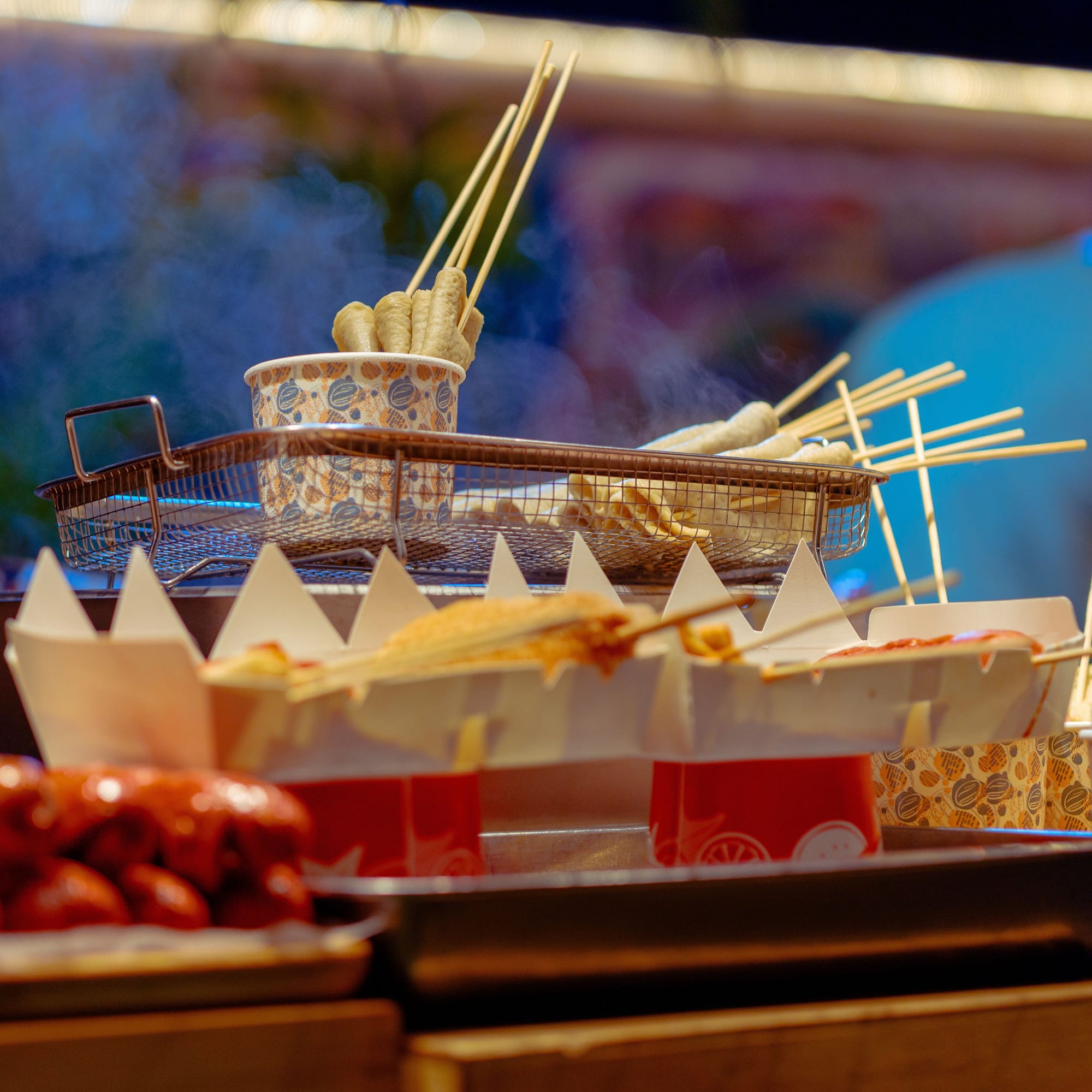
The best meal I've had while traveling cost less than two dollars and came from a cart with no name, parked outside a train station. Street food is where a destination's actual food culture lives — here's how to find it and eat it without regret.
Follow the Lines, Not the Reviews
Online reviews for street stalls are often outdated or nonexistent — the best vendors don't need Google to survive. Instead, look for where locals are actually queuing, especially around lunch hours (12-1pm) and after work (6-8pm). A short, fast-moving line of regulars is a far better signal than any star rating.
High Turnover Is Your Safety Net
The single best predictor of a safe street food stall isn't cleanliness you can see — it's how quickly the food moves. A busy stall cooks in small batches and sells out fast, meaning nothing sits around at unsafe temperatures. A stall with food visibly sitting for hours, however tidy it looks, is the one to skip.
Watch the Cooking, Not Just the Plate
Where possible, choose stalls where you can see food cooked fresh in front of you — grilled, fried, or boiled to order — rather than pre-made dishes kept warm in trays. This single habit prevents the vast majority of street food related stomach issues travelers worry about.
Start Slow If You Have a Sensitive Stomach
If you're new to a region's street food, ease in rather than diving into the spiciest, richest option on day one. Give your system a couple of days to adjust, drink bottled or filtered water, and carry basic anti-diarrheal medication as a precaution rather than a fear — most travelers never need it, but it's cheap insurance.
Learn a Few Words, Get Better Food
You don't need fluency — a handful of local phrases (please, thank you, "not spicy," "one more") genuinely changes the interaction. Vendors notice the effort, and it's not uncommon to get better recommendations, slightly bigger portions, or dishes not listed anywhere because you asked in their language.
Bring Small Cash, Always
Street vendors rarely have change for large bills and almost never take cards. Break large notes at a convenience store or restaurant before you go hunting for food, and carry a mix of small denominations — nothing kills a good food moment faster than a vendor waving you off because you can't pay.
The Real Skill: Eating With Curiosity, Not Caution
The travelers who eat the best aren't the ones with the strongest stomachs — they're the ones willing to point at something unfamiliar and ask what it is instead of walking past it. Street food rewards curiosity more than any guidebook ever will.