Safari Basics: What to Know Before Your First Trip
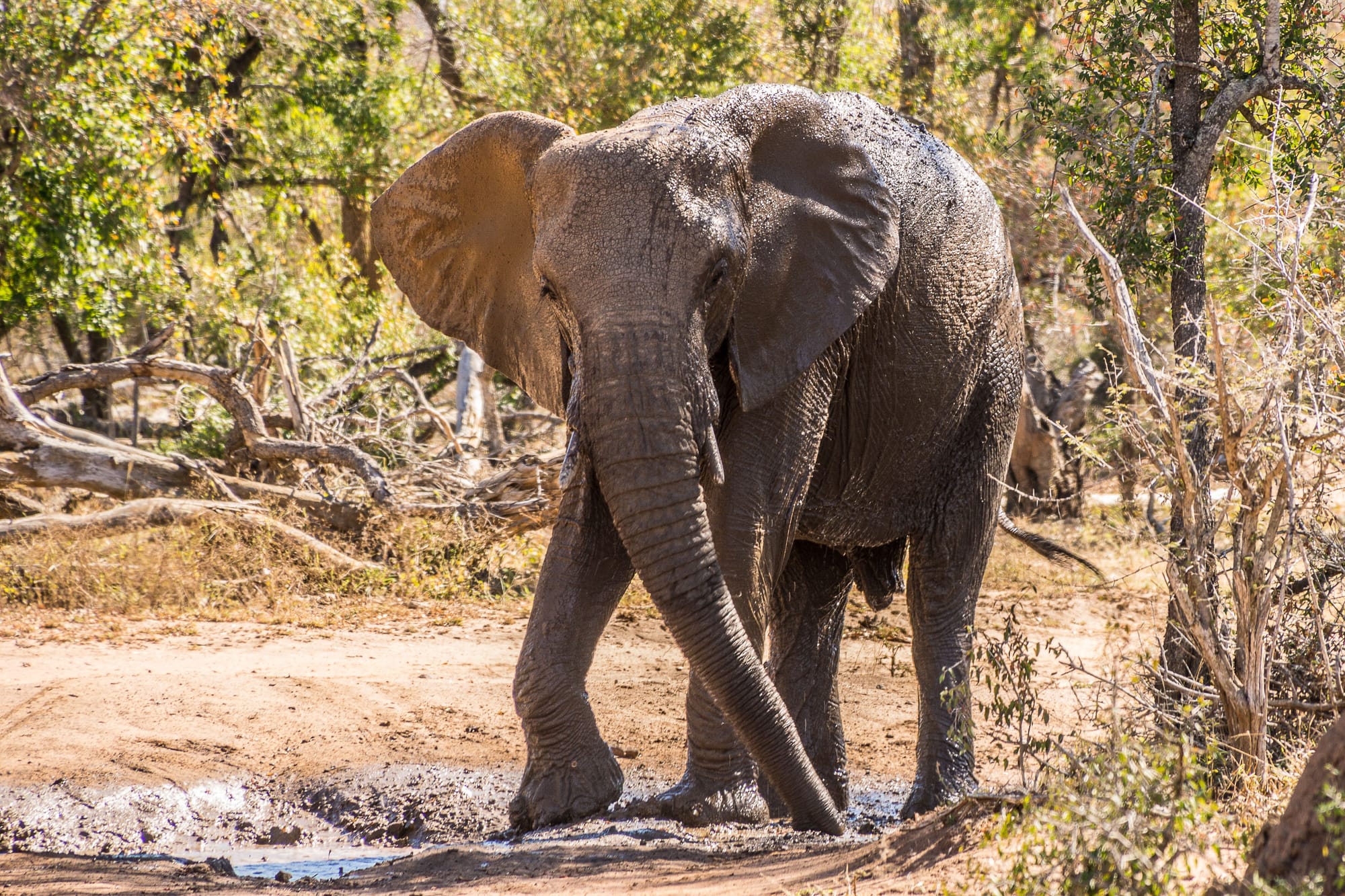
A first safari comes with a specific kind of pre-trip anxiety — it's expensive, it's unfamiliar, and unlike most travel, you can't really "wing it" once you're there. Here's what actually matters before you book.
Pick the Right Season First
Safari quality varies enormously by season, more than most first-timers realize. Dry season (roughly June-October in East and Southern Africa) is when wildlife viewing is best — animals cluster around limited water sources, vegetation thins out, and visibility improves dramatically. Green season (November-May) is cheaper and beautiful in its own way, but harder for spotting animals in thick foliage.
If your trip has one fixed priority — seeing the Great Migration river crossings in the Serengeti/Maasai Mara, for instance — that alone will dictate your dates more than anything else.
Budget Safari vs. Luxury Safari: What You're Actually Paying For
The price gap between a $150/night camp and a $1,500/night lodge isn't really about the animals — you'll likely see similar wildlife either way. What you're paying for is exclusivity and comfort: private vehicles instead of shared ones, fewer other trucks at each sighting, better food, and guides with deeper specialization. A mid-range shared safari is a completely legitimate way to do a first trip, especially if budget matters.
Choose Your Country Based on What You Want
- Tanzania & Kenya: the classic savanna safari, the Great Migration, dense wildlife concentrations — best for first-timers wanting the "textbook" experience.
- South Africa: easier logistics, malaria-free options in some reserves, good for combining with wine country or Cape Town.
- Botswana: more remote, more expensive, exceptional wilderness with far fewer tourists — better for a second or third safari than a first.
What to Actually Pack
Neutral colors (khaki, olive, brown) matter more than people expect — bright colors and white can spook animals and show dust badly. A pair of solid binoculars makes a real difference; don't rely on the guide's. Bring more camera battery and memory than you think you'll need, and a dust-proof bag for electronics — safari roads are genuinely dusty.
The Etiquette Nobody Explains Upfront
Stay in the vehicle unless your guide explicitly says otherwise — this isn't overcaution, it's how animals perceive vehicles as neutral, non-threatening shapes rather than predators. Keep voices low at sightings. And resist the urge to ask your guide to "get closer" — reputable operators maintain safe, respectful distances for a reason, even when it means a slightly farther shot.
One Honest Piece of Advice
Book at least one full day with no driving — a day at the lodge, a bush walk, time by the pool. Safaris involve more hours in a vehicle than people expect, and a trip that's wall-to-wall game drives gets exhausting fast. The best safaris pace themselves.