Editor's Picks

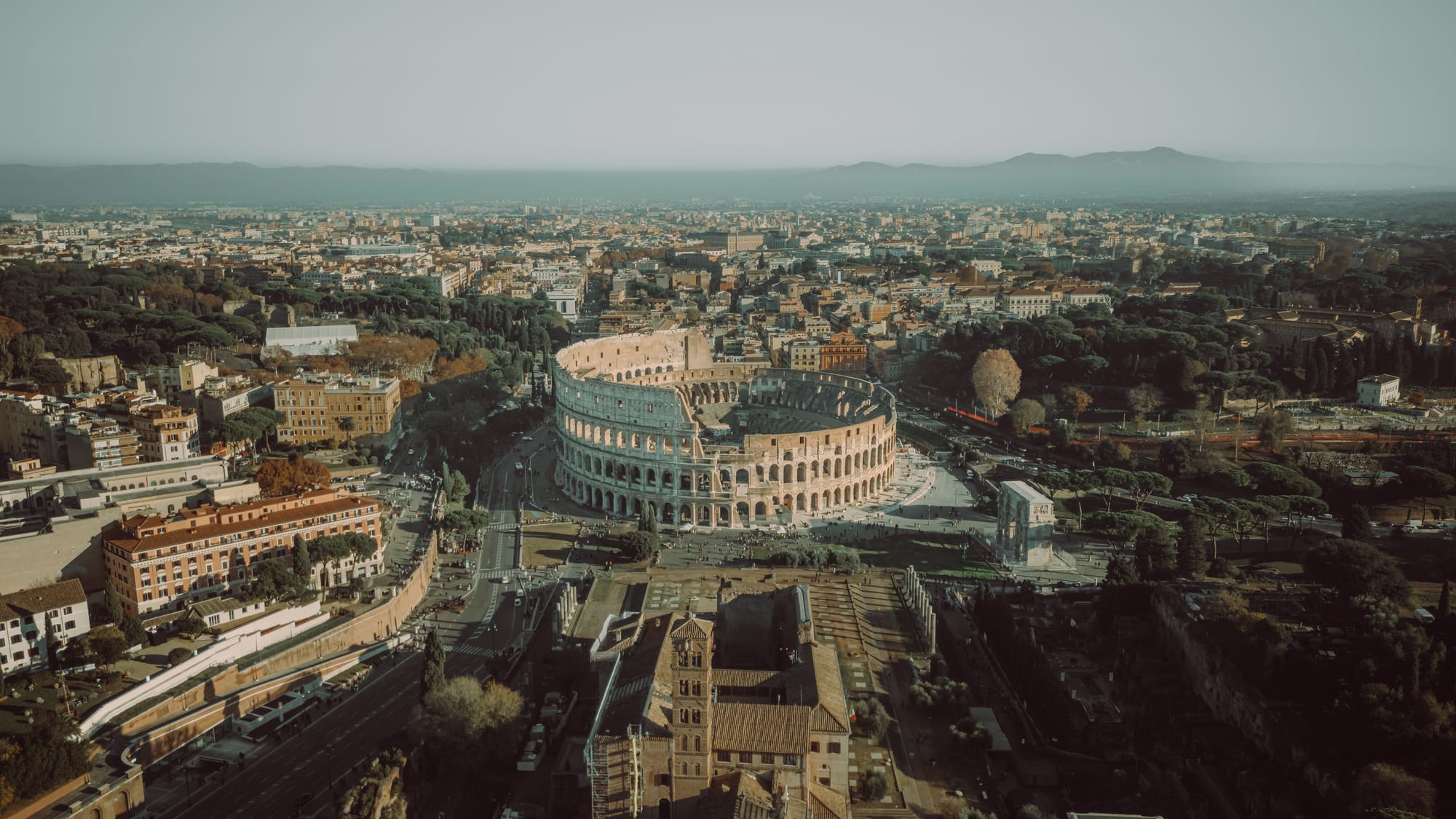
Colosseum: Rome's Timeless Landmark
The first time I stood in front of the Colosseum, what struck me wasn't its size — photos already prepare you for that. It was the sound. Traffic circling the ancient stones, vendors calling out, a street musician playing somewhere out of sight, all echoing off walls that have stood for nearly two thousand years. Rome doesn't preserve its history behind glass. It just keeps living around it.
A Monument Built for Spectacle
Commissioned by Emperor Vespasian around 70-72 AD and completed by his son Titus, the Colosseum was Rome's answer to entertainment on an imperial scale. At its peak, it could hold an estimated 50,000-80,000 spectators, who came to watch gladiator contests, mock naval battles, and public spectacles designed to remind the empire's citizens exactly who was in charge.
What's easy to forget standing outside is the engineering underneath. A vast network of tunnels and chambers, known as the hypogeum, once housed the animals, gladiators, and stage machinery that could be raised into the arena floor through trapdoors — Roman special effects, essentially, sixteen centuries before anyone coined the term.
What's Actually Left to See
Much of the outer wall and the internal tiers remain intact enough to walk through, and recent restoration work has opened sections of the hypogeum to visitors on specific tour tickets. Standing on the walkway that overlooks the arena floor, you can see the layout of the underground chambers clearly for the first time in the monument's public history.
Practical tip: A combined ticket covering the Colosseum, Roman Forum, and Palatine Hill is valid for 24 hours and is by far the better value than buying separate entries — and the Forum next door is where you actually get the best photo of the Colosseum's exterior.
When to Go
Rome in July and August is brutal, both in heat and in crowds. If your dates are flexible, aim for April-May or September-October — mornings especially, right at opening, before the tour groups arrive in force. An early arena-floor tour also beats the midday sun, which offers zero shade inside the structure.
Getting There
The Colosseum sits directly on Rome's Metro Line B (Colosseo station), making it one of the easiest major sites in the city to reach without a car or a taxi. From most central hotels, it's a 15-20 minute walk that takes you past enough Roman history to count as a warm-up.
Two thousand years on, the Colosseum still does what it was built to do: make people stop and look up. It's the rare landmark that manages to be both a monument and a genuinely moving piece of urban life — worth the crowds, worth the heat, worth building an entire Rome itinerary around.